
The Art of Handmade Incense Sticks: A Step-by-Step Guide
The craft of making incense sticks by hand is a traditional art that combines natural ingredients with patience and skill. Rooted in practices that date back centuries, this process transforms simple materials like fragrant woods, herbs, and natural binders into aromatic sticks that release soothing scents when burned. The following steps outline the fundamental process, from selecting raw materials to the final aging of the finished sticks.
Step 1: Selection and Preparation of Raw Materials
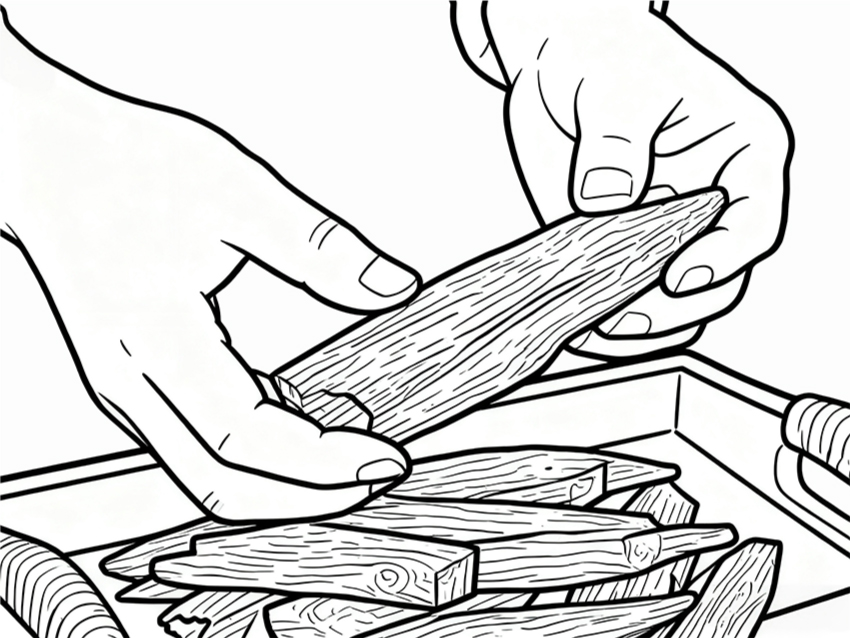
The foundation of a good incense stick is its powder. Traditional recipes use a blend of fragrant materials such as sandalwood powder, agarwood powder, clove, cinnamon, and other dried herbs or resins. The specific combination is often based on a desired fragrance profile or traditional formula.
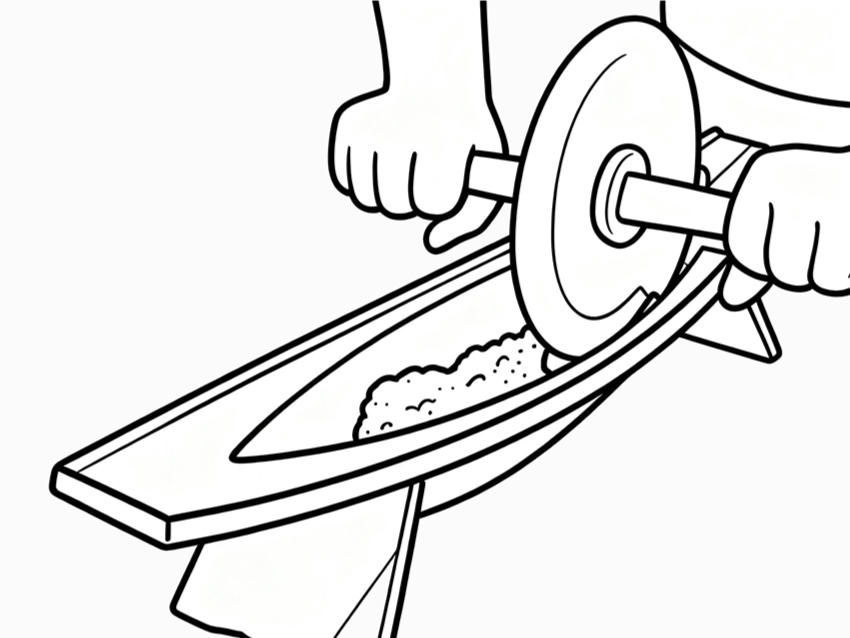
Before mixing, some raw materials may require preparation or “correction” to improve their burning quality or scent. For instance, sandalwood can have a “fiery” nature. One method to correct this involves steeping it in a mixture of honey and wine for several days before drying and baking it into a fine powder. All materials should be ground into a very fine powder, ideally exceeding 100 mesh, to ensure a smooth burn.
Step 2: Mixing the Powder and Adding a Binder
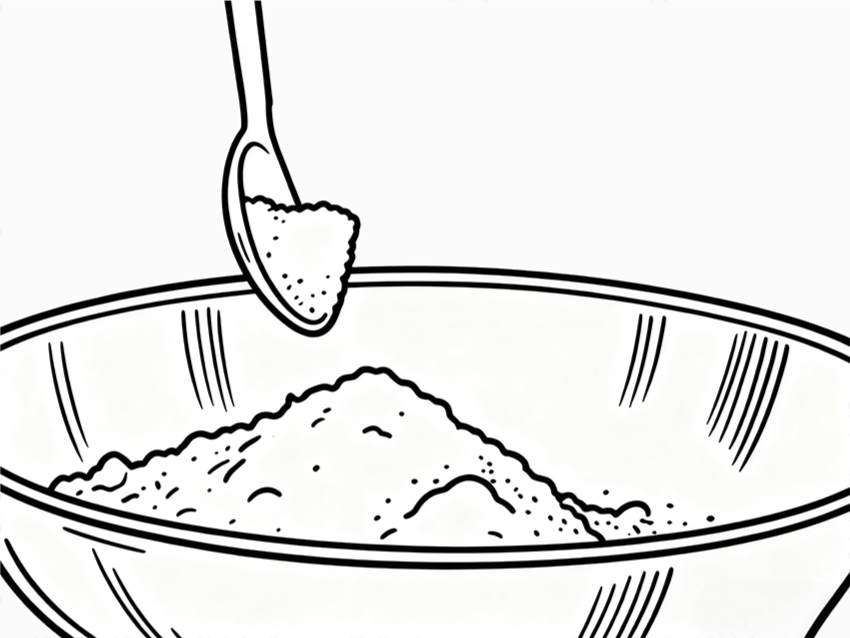
The prepared fragrant powders are then combined in a specific ratio. A natural binder is essential to hold the mixture together. Common binders include powdered nammu wood or powdered elm bark. The proportion of the binder is critical; typically, it constitutes about 10% to 20% of the total dry powder weight. Adding too much binder can affect the quality of the smoke and fragrance.
The dry ingredients are mixed thoroughly in a non-metallic container to ensure an even distribution of all fragrant components and the binder.
Step 3: Kneading the Incense Dough
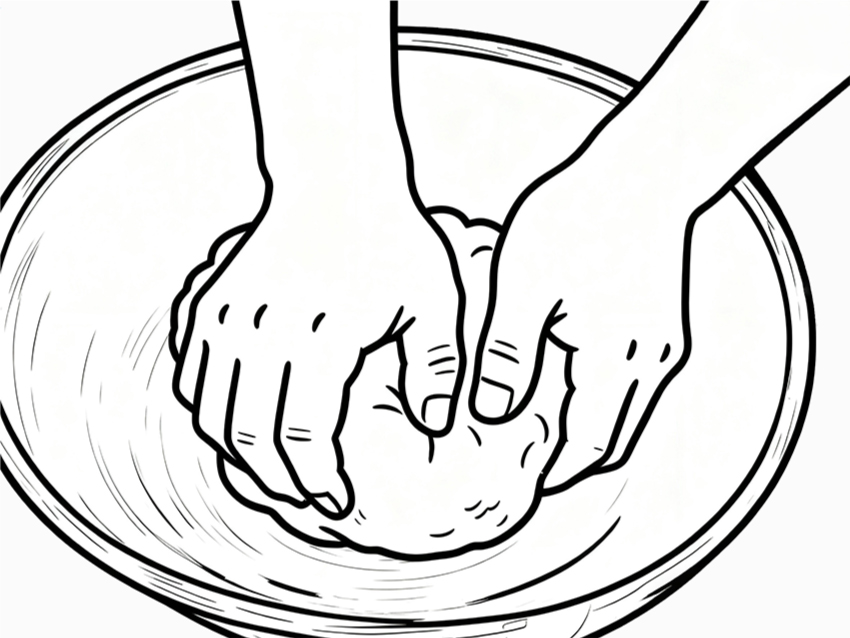
Water is slowly added to the dry powder mixture. The key here is to add water gradually and cautiously. The goal is to achieve a dough that is pliable and cohesive but not sticky. If the dough becomes too wet, it will not extrude properly, and if it’s too dry, it will crumble.
Once combined, the dough is kneaded by hand for 5 to 10 minutes until it becomes smooth, uniform, and develops a certain toughness and non-stickiness. After kneading, the dough is often left to rest, or “awaken,” for a short period (e.g., 5-10 minutes) to allow the moisture to distribute evenly.
Step 4: Forming the Incense Sticks
There are two common methods for shaping the dough into straight sticks:
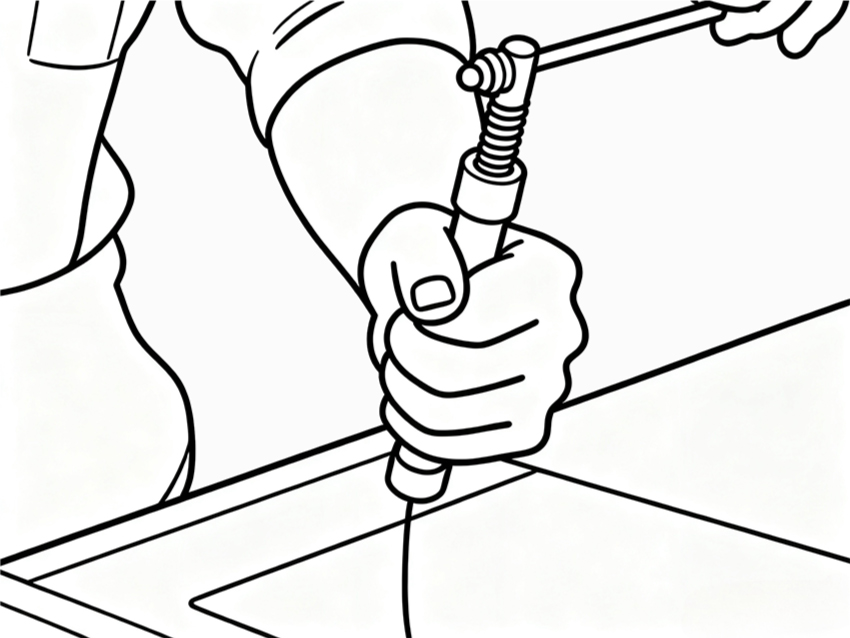
· Extrusion: This is the most common method. The awakened incense dough is placed into an extrusion device. This could be a syringe with a large bore needle or a traditional wooden press with a metal plate containing small holes. Pressure is applied, forcing the dough through the holes to form long, continuous strands. These strands are extruded directly onto a flat, smooth board.
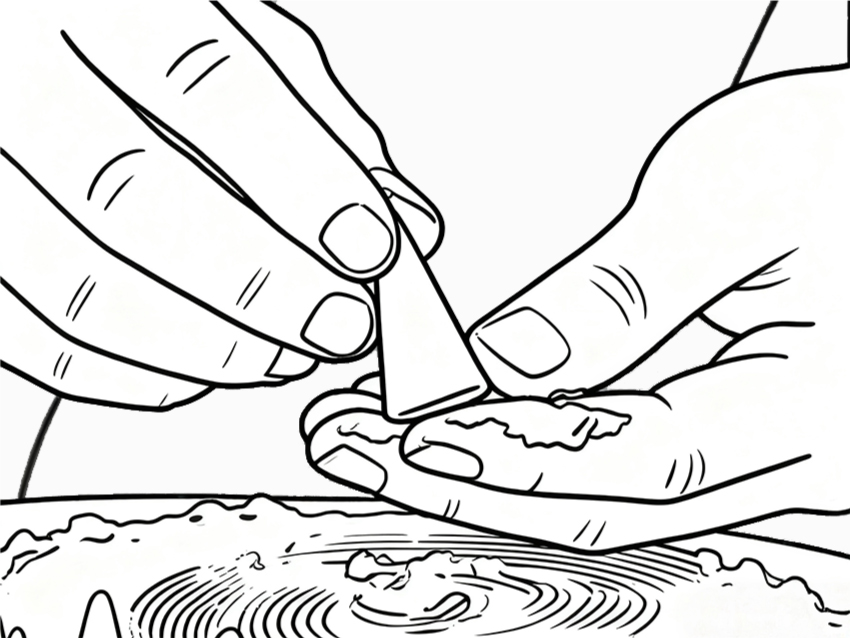
· Hand-Rolling (Less Common for Stick Incense): While not typical for thin stick incense, a method involving rolling dough onto bamboo sticks is sometimes used for other incense types. This is more common for incense cones or cakes.
Step 5: Drying and Finishing
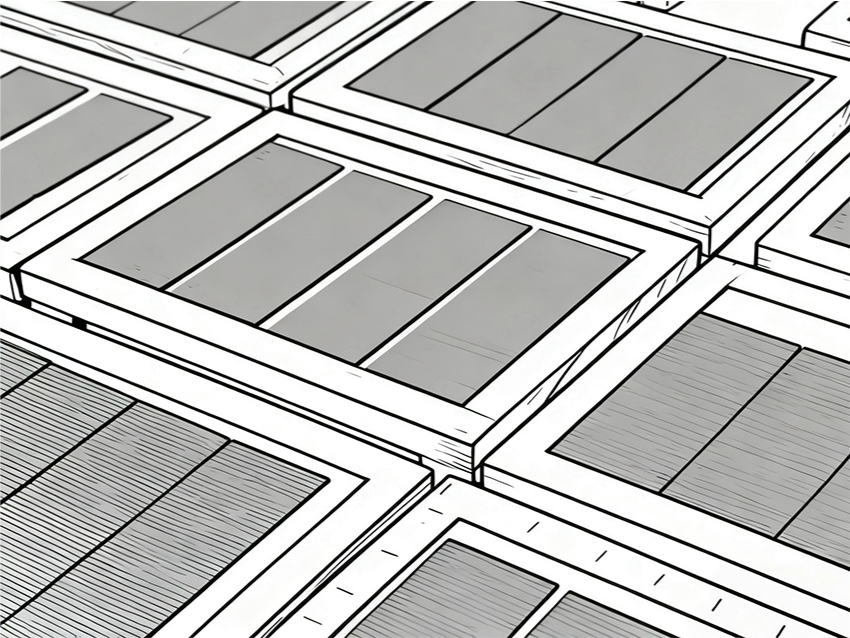
The newly formed incense sticks are very fragile. They are first straightened using a ruler or straight edge. They are then left to air-dry naturally in a cool, well-ventilated place, away from direct sunlight and wind. Forcing rapid drying with heat can cause the sticks to warp, crack, or lose their fragrance.
The drying process can take from a few days to several weeks, depending on the thickness of the sticks and the ambient humidity. Once they are firm to the touch, they can be cut to a uniform length with a sharp knife.
Step 6: Aging and Storage
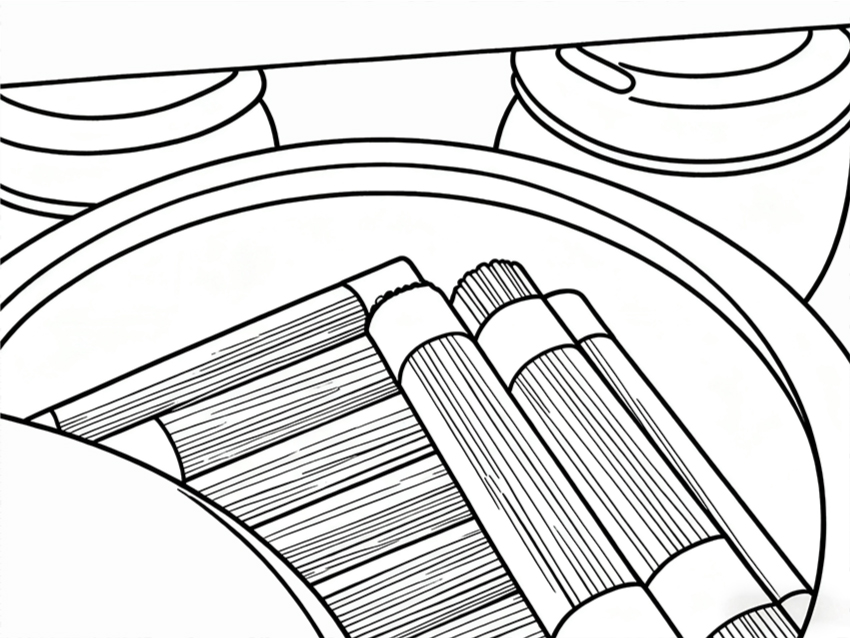
The final and often overlooked step is aging. The dried incense sticks are not yet ready for immediate use. They are stored in sealed ceramic jars or wooden boxes and placed in a dry, ventilated area for a period of at least six months to over a year. This aging process allows the various scents within the stick to meld and harmonize, resulting in a smoother, more balanced, and less “fiery” aroma when burned.